The Ultimate Guide to Eco-Friendly Living
Discover practical ways to reduce your environmental footprint and embrace sustainable living practices.
Discover the transformative power of aromatherapy with this comprehensive beginner's guide. Learn which oils to start with, how to use them safely, and incorporate these natural wellness tools into your daily routine.
Essential oils have been used for thousands of years across cultures for their powerful therapeutic properties. These concentrated plant extracts offer a natural way to support your physical, emotional, and mental wellbeing. Whether you're looking to reduce stress, improve sleep, boost your mood, or create a more natural home environment, essential oils provide a versatile and effective solution. This comprehensive guide will help you navigate the world of aromatherapy with confidence, from choosing your first oils to using them safely and effectively.
Essential oils are highly concentrated aromatic compounds extracted from plants through various methods, most commonly steam distillation or cold pressing. These oils capture the plant's "essence" – its distinctive scent and beneficial properties. Unlike fragrance oils or perfumes, true essential oils are 100% natural and contain the therapeutic compounds that give plants their unique characteristics.
A single drop of essential oil can be incredibly potent. For example, one drop of peppermint essential oil is equivalent to about 28 cups of peppermint tea in terms of active compounds. This concentration is what makes essential oils so effective, but it also means they must be used with care and respect.
Important to Know: It can take enormous quantities of plant material to produce a small amount of essential oil. For instance, it requires approximately 220 pounds of lavender flowers to produce just one pound of lavender essential oil. This explains why pure, high-quality essential oils are an investment in your wellness.
Essential oils work through two primary pathways: aromatherapy (inhalation) and topical application. When inhaled, the aromatic molecules travel directly to the limbic system – the part of your brain that controls emotions, memories, and certain physiological functions. This is why certain scents can instantly transport you to a specific memory or change your mood.
Stress Relief and Relaxation: Oils like lavender, chamomile, and bergamot have been scientifically shown to reduce cortisol levels and promote relaxation. They're perfect for unwinding after a long day or creating a calming bedtime routine.
Improved Sleep Quality: Many essential oils, particularly lavender and cedarwood, can help regulate your sleep-wake cycle and improve sleep quality. They work by calming the nervous system and creating an environment conducive to rest.
Enhanced Focus and Mental Clarity: Oils such as peppermint, rosemary, and lemon can boost cognitive function, improve concentration, and reduce mental fatigue. They're excellent for work or study sessions.
Natural Cleaning and Purification: Tea tree, lemon, and eucalyptus oils have natural antimicrobial properties, making them ideal for creating effective, non-toxic household cleaners.
Mood Enhancement: Citrus oils like sweet orange and grapefruit are known for their uplifting properties, helping to combat feelings of sadness or seasonal blues.
Respiratory Support: Eucalyptus and peppermint oils can help clear airways and support easier breathing, particularly useful during cold and flu season.
Starting your essential oil journey doesn't require a huge collection. These ten versatile oils form an excellent foundation and can address the majority of everyday wellness needs:
The Universal Oil: Lavender is often called the "Swiss Army knife" of essential oils for good reason. It's calming, promotes restful sleep, soothes minor skin irritations, and can help with headaches. This is the one oil every beginner should own.
Best uses: Diffuse for relaxation, add to bath water, apply diluted to temples for tension relief, mix into skincare products.
The Energizer: Peppermint essential oil is invigorating and cooling. It's excellent for mental alertness, digestive comfort, and providing a refreshing sensation. The menthol naturally present in peppermint makes it perfect for respiratory support.
Best uses: Diffuse for focus, inhale for nausea relief, dilute and apply to temples for headache support, add to foot soaks.
The Mood Booster: Bright, clean, and uplifting, lemon essential oil is like sunshine in a bottle. It's naturally cleansing, helps purify the air, and can boost your mood instantly. Its fresh scent makes it popular in natural cleaning products.
Best uses: Add to water for surface cleaning, diffuse for mental clarity and air purification, combine with other oils for uplifting blends.
The Purifier: Tea tree oil has powerful cleansing properties and is one of the most researched essential oils for skin health. It's a must-have for natural first aid kits and DIY skincare.
Best uses: Add to skincare for blemish-prone skin, use in cleaning solutions, diffuse to purify air, dilute for scalp health.
The Breath of Fresh Air: Eucalyptus is renowned for respiratory support and has a cooling, refreshing quality. It's especially valuable during seasonal challenges and can help you breathe easier.
Best uses: Steam inhalation, shower aromatherapy, diffuse during cold season, add to chest rubs (properly diluted).
The Happy Oil: Sweet orange essential oil is cheerful, warm, and naturally uplifting. It's great for creating a positive atmosphere and is generally well-tolerated, making it perfect for beginners.
Best uses: Diffuse to uplift mood, add to natural cleaning products, blend with spice oils for cozy aromas, use in DIY room sprays.
The Soother: Roman chamomile is deeply calming and gentle enough for sensitive skin. It's wonderful for promoting relaxation and can be particularly helpful for restless children or anxious moments.
Best uses: Bedtime diffusion, dilute for calming massage oil, add to unscented lotion, use in meditation practices.
The Mental Sharpener: Rosemary essential oil is stimulating and clarifying. It's been associated with improved memory and concentration, making it excellent for study sessions or mental work.
Best uses: Diffuse during work or study, add to hair care products for scalp health, use in morning shower blends, incorporate into muscle rubs.
The Ancient Healer: Prized for thousands of years, frankincense has a rich, resinous aroma that's grounding and meditative. It's excellent for skin health and spiritual practices.
Best uses: Add to facial serums, diffuse during meditation or yoga, blend with carrier oils for mature skin, use in aromatherapy rituals.
The Balancer: Bergamot has a unique citrus-floral scent that's both uplifting and calming. It's wonderful for emotional balance and can help ease anxious feelings while boosting mood.
Best uses: Diffuse for stress relief, add to bath products, blend with lavender for sleep support, use in natural perfumes.
Safety is paramount when working with essential oils. Because these oils are so concentrated, improper use can lead to skin irritation, sensitivity, or other adverse reactions. Follow these essential safety guidelines:
Never apply undiluted essential oils directly to your skin (with very few exceptions like lavender or tea tree for spot treatment, and even then, use caution). Essential oils should be diluted in a carrier oil such as sweet almond, jojoba, coconut, or grapeseed oil.
Adults (general use): 2-3% dilution (12-18 drops per ounce of carrier oil)
Facial use: 1% dilution (6 drops per ounce of carrier oil)
Sensitive skin: 0.5-1% dilution (3-6 drops per ounce)
Children 2-10 years: 0.5-1% dilution, avoid certain oils entirely
Pregnancy: Consult healthcare provider, use 1% dilution if approved
Before using a new essential oil, always perform a patch test. Dilute one drop of essential oil in a teaspoon of carrier oil and apply to the inside of your elbow. Wait 24 hours to check for any reaction. This simple step can prevent widespread irritation.
Many citrus oils (lemon, lime, bergamot, grapefruit) are photosensitive, meaning they can cause skin to burn more easily in sunlight. Avoid applying these oils to skin that will be exposed to UV rays within 12-24 hours.
Extra Caution Needed:
• Pregnant or nursing mothers: Many essential oils should be avoided during pregnancy and breastfeeding. Always consult with a healthcare provider first.
• Babies and young children: Do not use essential oils on babies under 3 months. For children, use minimal dilutions and avoid potentially irritating oils like peppermint, eucalyptus, and rosemary.
• Pets: Many essential oils are toxic to cats and dogs. Never apply oils to pets or diffuse in confined spaces with pets present without consulting a veterinary aromatherapist.
• Medical conditions: If you have epilepsy, high blood pressure, or other medical conditions, consult with a healthcare provider before using essential oils.
Store essential oils in dark glass bottles away from heat and light. Keep them out of reach of children and pets. Quality matters tremendously – choose oils from reputable suppliers that provide purity testing (GC/MS reports) and use proper botanical names.
There are three primary ways to use essential oils: aromatic (diffusion/inhalation), topical (applied to skin), and internal (which we don't recommend for beginners and should only be done under professional guidance).
This is the safest and often most effective method for beginners. Aromatic use allows you to experience the benefits of essential oils through inhalation.
The most popular method. Add water and 5-10 drops of essential oil. The diffuser creates a fine mist that disperses the aroma throughout your space. Perfect for large rooms and continuous use.
Portable and personal. Add several drops to a cotton wick inside a small inhaler tube. Ideal for on-the-go aromatherapy, travel, or situations where you can't diffuse openly.
Add 3-5 drops to a bowl of hot water, tent a towel over your head, and breathe deeply for 5-10 minutes. Excellent for respiratory support. Keep eyes closed to avoid irritation.
Place 1-2 drops on a tissue or cotton ball and inhale deeply. Quick and effective for immediate emotional or mental support. Can also cup hands, inhale from palms (don't apply oil to palms first).
When properly diluted, essential oils can be applied to skin for localized benefits. Popular application areas include wrists, temples, back of neck, chest, and feet.
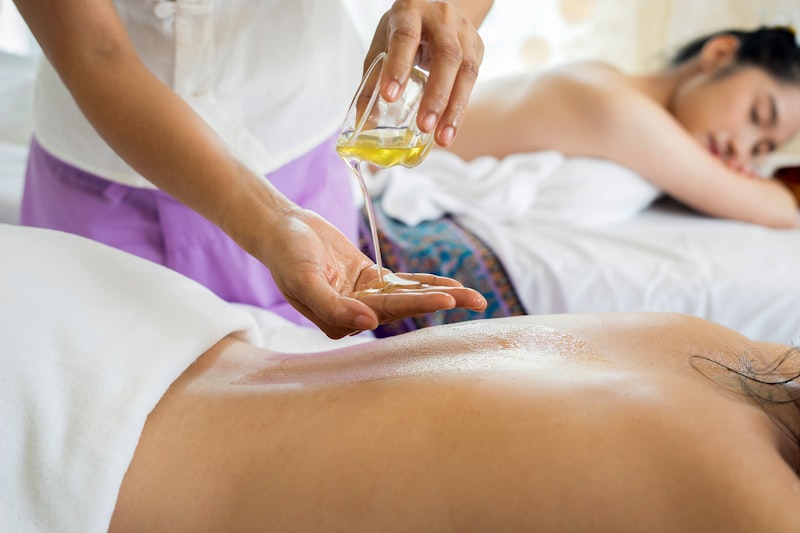
Combine essential oils with a carrier oil for a therapeutic massage. Great for muscle tension, relaxation, or simply as a luxurious self-care ritual. Mix 10-15 drops total essential oil per ounce of carrier oil.
Disperse 5-10 drops in a tablespoon of carrier oil or milk before adding to bathwater. This helps the oils distribute rather than floating on top. Never add undiluted oils directly to bath water.
Add a few drops to warm or cool water, soak a cloth, wring it out, and apply to affected area. Warm compresses are soothing for muscle aches; cool compresses for headaches or inflammation.
Add 1-2 drops of appropriate essential oils to your unscented moisturizer, serum, or facial oil. Frankincense, lavender, and geranium are popular for mature skin; tea tree for blemish-prone skin.
Blending essential oils is where the magic really happens. Combining oils can create synergistic effects where the blend is more powerful than individual oils. Here are some beginner-friendly blends to try:
Diffuser Recipe:
• 3 drops Lavender
• 2 drops Chamomile
• 1 drop Cedarwood or Frankincense
Diffuse in your bedroom 30 minutes before sleep. This calming blend helps quiet the mind and prepare your body for rest.
Diffuser Recipe:
• 3 drops Rosemary
• 2 drops Peppermint
• 2 drops Lemon
Perfect for your home office or study space. This energizing blend enhances concentration and mental alertness.
Roller Bottle Recipe (10ml):
• 5 drops Bergamot
• 3 drops Lavender
• 2 drops Frankincense
• Fill remainder with carrier oil
Apply to pulse points when feeling overwhelmed. This balanced blend is both calming and uplifting.
Diffuser Recipe:
• 3 drops Tea Tree
• 2 drops Eucalyptus
• 2 drops Lemon
Diffuse during cold and flu season to help purify the air and support your wellness routine.
Diffuser Recipe:
• 4 drops Sweet Orange
• 2 drops Bergamot
• 1 drop Peppermint
Bright and cheerful, this blend helps combat the blues and creates a positive atmosphere in any room.
The essential oil market can be confusing, with prices ranging dramatically and quality varying widely. Here's what to look for when purchasing essential oils:
Latin Name: Reputable suppliers list the botanical (Latin) name of each plant. For example, "Lavender (Lavandula angustifolia)" rather than just "Lavender."
Country of Origin: Quality companies tell you where the plant was grown. Different regions produce oils with slightly different chemical profiles.
Extraction Method: Should specify whether the oil was steam distilled, cold-pressed, or CO2 extracted. Avoid "fragrance oil" or "perfume oil" which are synthetic.
Purity Statement: Look for "100% pure essential oil" or "therapeutic grade." Be wary of oils cut with cheaper fillers or synthetic fragrances.
Testing Information: The best companies provide GC/MS (Gas Chromatography/Mass Spectrometry) testing reports that verify purity and composition.
Dark Glass Bottles: Essential oils should be packaged in dark amber or cobalt blue glass bottles to protect from light degradation.
Fair Pricing: If a price seems too good to be true, it probably is. Rose and melissa oils should cost significantly more than lavender or lemon because they require exponentially more plant material.
Red Flags to Avoid: Labels claiming "aromatherapy grade" (not a real certification), oils priced identically across the board (different oils have different production costs), promises of miracle cures, or sellers who don't provide botanical names and sourcing information.
Learn from others' experiences and avoid these common pitfalls:
More is not better with essential oils. Start with less than you think you need – you can always add more. Using too much can lead to headaches, nausea, or sensitization. For diffusion, 3-5 drops is usually sufficient for a standard-sized room.
Even oils considered "safe" like lavender can cause irritation when applied neat (undiluted) repeatedly. Your skin's tolerance can change over time, and sensitization can develop even to oils you've used successfully before.
While essential oils can provide immediate aromatherapy benefits, other effects (like skin improvement or long-term stress management) take consistent use over time. Give your routine at least 2-4 weeks before evaluating effectiveness.
Each essential oil has specific safety considerations. Research each oil thoroughly before use, especially if you're pregnant, nursing, have medical conditions, or are using them with children.
No essential oil can cure serious diseases. They're wonderful tools for supporting wellness and enhancing quality of life, but they're not replacements for medical care. Be skeptical of extreme health claims.
Essential oils oxidize over time, especially citrus oils. This oxidation can cause skin sensitization. Store oils properly and note when you opened them. Most oils last 1-3 years when stored correctly; citrus oils oxidize faster (6-12 months).
The key to benefiting from essential oils is consistent use. Here's how to seamlessly integrate them into your day:
Start your day by diffusing an energizing blend of peppermint, lemon, and rosemary while you prepare for the day. Add a drop of eucalyptus to your shower floor for an invigorating steam experience. Apply a diluted focus blend to your wrists before work or study.
Keep a personal inhaler with peppermint or a citrus blend at your desk. When you need a mental break or energy boost, take a few deep breaths. If you work from home, run your diffuser with a clarity blend during intense work sessions.
As evening approaches, switch to calming oils. Diffuse lavender while making dinner, add a relaxing blend to your evening bath, or apply a sleep support roller blend to the bottoms of your feet before bed. Create a bedtime aromatherapy ritual to signal to your body that it's time to rest.
Dedicate time each week for an essential oil-enhanced self-care routine. Create a facial steam with chamomile or lavender, give yourself a massage with a custom blend, or enjoy a luxurious aromatic bath. This regular practice amplifies the cumulative benefits of essential oils.
Now that you have a solid foundation in essential oil basics, here's how to continue your aromatherapy education and practice:
Start Small: Begin with 3-5 essential oils from the list above. Master these before expanding your collection. Quality over quantity always wins.
Keep a Journal: Track which oils and blends you use, how they make you feel, and any reactions. This helps you identify your favorites and what works best for your unique needs.
Educate Yourself: Read books by certified aromatherapists, take online courses, and join essential oil communities. Knowledge is power when it comes to safe and effective use.
Experiment Mindfully: Try new blends and applications, but always within safe parameters. Pay attention to how your body responds.
Consider Certification: If you fall in love with essential oils, consider pursuing aromatherapy certification. Formal training deepens your understanding and opens new possibilities.
Remember: Essential oils are tools, not magic potions. They work best as part of a holistic approach to wellness that includes good nutrition, adequate sleep, stress management, and regular movement. They enhance your natural wellness routine – they don't replace it.
Essential oils offer a beautiful bridge between ancient wisdom and modern wellness. They're accessible, versatile, and when used properly, remarkably safe and effective. Whether you're seeking relaxation, improved focus, better sleep, or simply want to bring more natural elements into your home, essential oils provide endless possibilities.
Start your journey with confidence, armed with the knowledge of safe use and best practices. Begin with a few high-quality oils, learn their properties intimately, and gradually expand your collection as your needs and interests grow. Most importantly, enjoy the process. Aromatherapy is meant to enhance your life, not complicate it.
Welcome to the wonderful world of essential oils. Your aromatic adventure begins now.