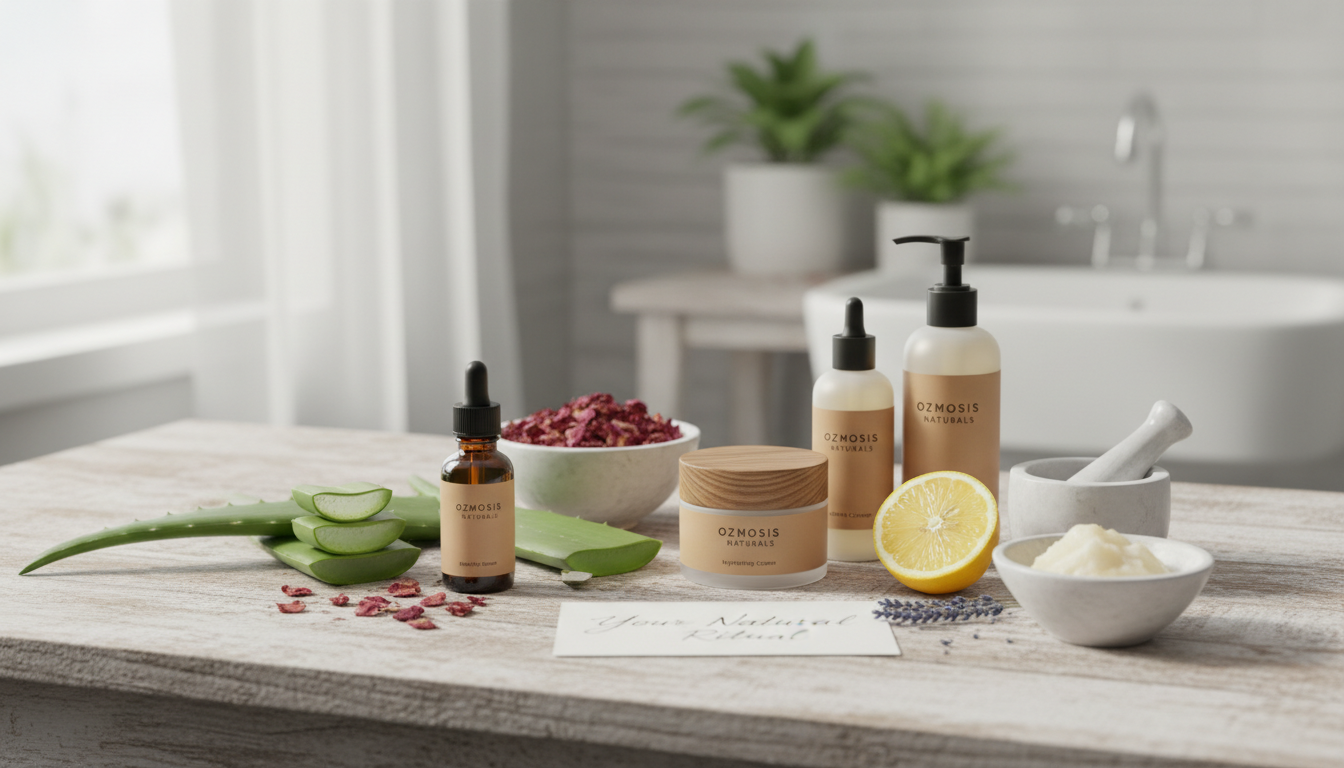
10 Amazing Benefits of Organic Coconut Oil
Discover how this natural superfood can transform your skincare routine and boost your overall wellness.
Small changes make a big impact. Discover easy, practical ways to reduce your environmental footprint at home without breaking the bank or compromising on quality.
Making your home more eco-friendly doesn't have to be overwhelming or expensive. In fact, some of the most impactful changes are surprisingly simple swaps that not only benefit the planet but can also save you money in the long run. Whether you're just starting your sustainability journey or looking to take your green living to the next level, these practical swaps will help you create a healthier home while reducing your environmental footprint.
The kitchen is often the heart of the home, and it's also where we can make some of the most significant environmental changes. Let's start with the easiest swaps that deliver immediate impact.
Americans use over 13 billion pounds of paper towels each year. By switching to reusable cotton or bamboo cloths, you can eliminate this waste entirely. Keep a stack near your sink and wash them weekly with your regular laundry. The investment pays for itself within a few months, and you'll never run out at an inconvenient time again.
Pro Tip: Start with 20-30 reusable cloths in different colors. Use specific colors for different tasks (blue for counters, green for dishes) to maintain hygiene while staying organized.
Plastic wrap is convenient, but it's a single-use product that takes centuries to decompose. Beeswax wraps are a game-changer: they're reusable, washable, and naturally antibacterial. Simply warm them with your hands to seal around bowls or food items. They last up to a year with proper care, making them both economical and eco-friendly.
We all know about reusable shopping bags, but the key is actually remembering to use them. Keep a set in your car, hang one by your front door, and fold a compact one in your purse or backpack. Over time, this simple habit prevents hundreds of plastic bags from entering landfills.
The bathroom is a hotspot for single-use plastics and chemical-laden products. Here's how to create a more sustainable self-care routine.
Liquid soaps and shampoos come in plastic bottles that often aren't recycled. Bar alternatives eliminate plastic packaging entirely and last significantly longer. Modern bar shampoos are nothing like the harsh bars of the past—they're formulated with natural ingredients that leave hair soft, clean, and healthy.
One billion plastic toothbrushes are thrown away annually in the U.S. alone. Bamboo toothbrushes are biodegradable, antimicrobial, and just as effective. When it's time to replace your brush, simply remove the bristles and compost the handle. It's a small change with a substantial environmental benefit.
If you use cotton rounds for makeup removal or skincare, consider switching to reusable versions made from organic cotton or bamboo. They're softer on skin, machine washable, and eliminate the waste from disposable rounds. A set of 20 rounds can last for years, replacing thousands of single-use cotton pads.
Pick three swaps from this article and commit to implementing them this month. Once they become habits, add three more. Sustainable living is a journey, not a destination—every small change counts!
Laundry care products are often overlooked in the sustainability conversation, but they offer excellent opportunities for eco-friendly swaps.
Conventional laundry detergents contain harsh chemicals, synthetic fragrances, and microplastics that pollute waterways. Natural alternatives use plant-based ingredients that clean just as effectively without environmental harm. Look for products with minimal packaging or concentrated formulas that reduce shipping emissions.
Dryer sheets are single-use products coated in chemicals and synthetic fragrances. Wool dryer balls naturally soften clothes, reduce static, and decrease drying time by up to 25%. Add a few drops of essential oil to the balls for a natural, customizable scent. A set of six balls will last for 1,000+ loads.
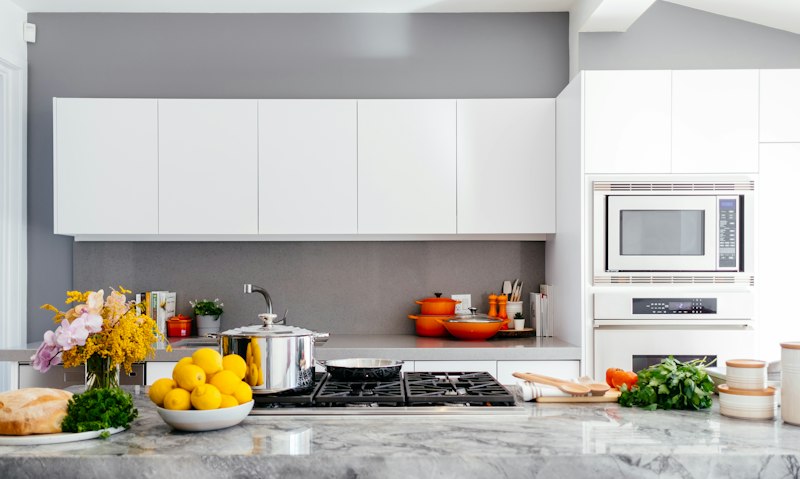
Small changes in daily routines create lasting environmental impact
Glass containers are safer (no chemical leaching), more durable, and infinitely recyclable. They don't stain or retain odors like plastic, and they're microwave and dishwasher safe. While the initial investment is higher, quality glass containers last a lifetime.
LED bulbs use 75% less energy than incandescent bulbs and last 25 times longer. The energy savings quickly offset the slightly higher upfront cost. As a bonus, LEDs produce less heat, making your home more comfortable and reducing air conditioning costs in summer.
Many conventional cleaning products contain toxic chemicals that harm both the environment and indoor air quality. Natural alternatives—or better yet, DIY solutions using vinegar, baking soda, and essential oils—clean just as effectively without the chemical burden. Our coconut oil can even be used as a natural furniture polish!
Remember: You don't need to make all these changes at once. Start with the swaps that fit your budget and lifestyle, then gradually add more as your current products run out. This approach is more sustainable both financially and practically.
While some eco-friendly products have higher upfront costs, they typically save money over time. Reusable products eliminate repeat purchases, energy-efficient items reduce utility bills, and natural products often concentrate better than conventional alternatives.
Consider this: A family of four spends approximately $200 annually on paper towels alone. Switching to reusable cloths (a $30 investment) saves $170 the first year and $200 every year after. Multiply this across multiple swaps, and the savings become substantial.
The key to successful eco-friendly living isn't perfection—it's consistency. Here are strategies to make these swaps permanent:
Creating an eco-friendly home is ultimately about making thoughtful choices that align with your values. Each swap, no matter how small, contributes to a healthier planet and often a healthier home. You don't need to be perfect—you just need to be conscious and committed to making better choices when possible.
Remember, sustainable living is a journey of continuous improvement. Celebrate your progress, learn from setbacks, and keep moving forward. The planet—and your future self—will thank you for the effort.